Basketball Illustrations Vector: A Designer's Review
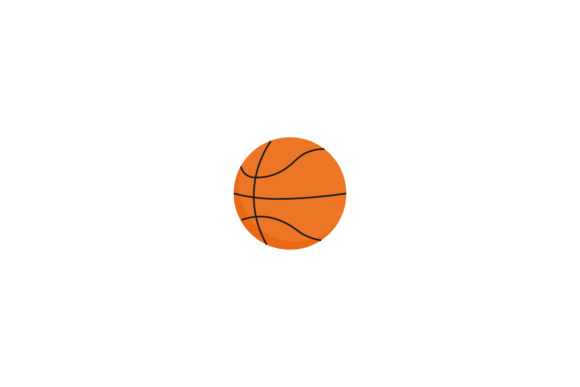
When I first opened the Basketball Illustrations Vector set, I was looking for a design that could translate cleanly from screen to stitch. As someone who regularly tests embroidery files for small shop use, I have learned that a good illustration does not always mean a good embroidery result. This set, however, caught my attention because of its clear shapes and sporty energy. The mood is immediately dynamic, confident, and straightforward. It feels like something a young athlete would want on a hoodie, or a parent would choose for a gift bag. The vector style keeps the lines crisp, which is the first thing I check when I consider a design for machine embroidery. If the original artwork is muddy or overly detailed, the stitched version will look worse. Here, the layout is bold and the silhouette reads well at a glance. That is a strong starting point for any embroidery project.
First Impressions and Real Project Use
I decided to test Basketball Illustrations Vector on a custom tote bag order for a local youth sports team. The client wanted something that felt professional but not too corporate, something that could work as a gift for players and parents alike. I opened the design in my editing software, checked the vector layers, and immediately appreciated how clean the paths were. The AI and EPS files gave me full control over sizing and color. I could isolate elements, adjust the scale, and test different thread combinations without any distortion. The SVG and DXF formats also opened smoothly, which is not always the case with illustration-based embroidery files. For a tote bag, I wanted the design to sit on the front panel without overwhelming the fabric. The proportions worked well at around five inches wide. The satin stitch outlines and fill stitch areas were clearly defined, and the running stitch details added just enough texture without creating excessive density. I stitched a test sample on a piece of cotton canvas, and the result was clean, readable, and sturdy. The client approved the sample immediately, and the final tote bags were well received at the team banquet.
How the Design Performs on Different Products
After that initial success, I experimented with Basketball Illustrations Vector on several other product types. Each one revealed something useful about the design's versatility.
- Custom apparel and sweatshirts: On a heavyweight sweatshirt, the design held its shape well. The fill stitch areas did not pucker, and the satin stitch outlines stayed crisp even after a few washes. I used a medium-weight cutaway stabilizer and a 75/11 needle, and the result was a finished product that felt substantial but not stiff. The design's clean geometry made it easy to center on the chest or back.
- T-shirts and lightweight fabric: On a standard cotton tee, the design required a bit more care. The stitch density was moderate, and I used a tear-away stabilizer with a light topping to prevent the stitches from sinking into the knit. The design worked best at a slightly smaller size, around three to four inches, to avoid pulling on the fabric. The running stitch details added a nice hand-drawn feel without causing distortion.
- Baby and children's clothing: I tested a small version of the design on a toddler's t-shirt and a baby onesie. The shapes were simple enough that the design did not overwhelm the small garment. I used a lightweight stabilizer and a 70/10 needle. The embroidery looked playful without being too dense for the delicate fabric. The vector style translated well to a smaller scale, which is a good sign for anyone making personalized gifts for young children.
- Hats and caps: This was the trickiest test. Caps have a curved surface, and not every design can handle the distortion. The Basketball Illustrations Vector design, with its bold central shape, worked better than I expected. I used a cap frame and a heavy cutaway stabilizer. The satin stitch areas held their shape, but I had to adjust the placement slightly to avoid the seams. The design is not ideal for very small caps, but for a standard structured hat, it looked professional and clean.
- Patches and appliques: The vector outlines made it easy to create applique versions. I used the design as a base for a freestanding patch, and the satin stitch border gave it a finished edge. The design's clear shapes meant that the applique fabric cut cleanly, and the final patch had a sharp, professional look. This is a great option for crafters who want to sell patches at fairs or on Etsy.
- Aprons, pillow covers, and kitchen towels: On a cotton apron, the design added a sporty accent without being too heavy. On a pillow cover, it worked well as a centered motif. Kitchen towels required a lighter approach, and I used a smaller version with a simplified stitch pattern. The design's adaptability across different fabric types and product categories is a clear strength.
- Holiday gifts and boutique products: I also tested the design on a few holiday-themed items, like a basketball-themed ornament and a gift bag. The design's clean lines worked well for small decorative pieces. For boutique products, the design's modern vector style fit right in with current trends. It feels fresh without being trendy, which means it will stay relevant for multiple seasons.
Where to Use This Design Carefully
No design is perfect for every situation, and Basketball Illustrations Vector has a few areas where it requires extra attention. I want to be honest about those so that you can avoid frustration and wasted materials.
- Small hoop sizes: If you are working with a 4x4 hoop, the design will need to be scaled down significantly. At very small sizes, some of the running stitch details may become too dense or lose their clarity. I recommend testing the design at your target size on scrap fabric before committing to a final product. The vector files are editable, so you can simplify the stitch details if needed.
- Textured fabrics: On fleece, terry cloth, or heavily textured knits, the design's satin stitch outlines may sink into the fabric. A heavy topping and a tight stabilizer can help, but you may lose some of the crispness that makes the design attractive. For textured fabrics, I suggest using a simpler version of the design or increasing the stitch density slightly.
- Stretchy fabric: Jersey knits and other stretchy materials require careful stabilization. The design's fill stitch areas can pull on the fabric if the stabilizer is not strong enough. I recommend a cutaway stabilizer and a ballpoint needle to reduce the risk of distortion. Test a sample on a similar fabric before stitching a full order.
- Dark fabric: The design's vector style works well on light and medium fabrics, but on dark fabrics, you may need to adjust the thread colors or add a white underlay to prevent the fabric from showing through. The design itself does not include a built-in underlay, so you will need to add one in your embroidery software. This is a simple fix, but it is worth noting before you start stitching.
- Layered garments and curved surfaces: As I mentioned with caps, curved surfaces can distort the design. On layered garments like jackets with multiple seams, the design may need to be placed carefully to avoid stitches falling on thick seams. I recommend using a seam marker and adjusting the hoop placement to avoid problem areas.
- Frequent washing: For products that will be washed often, like kitchen towels or baby items, the design's stitch density should be moderate. Dense satin stitch areas can shrink or pucker over time. I recommend using a high-quality polyester thread and a medium-weight stabilizer to ensure longevity. The design's simple shapes make it a good candidate for frequent washing, but the stitch quality matters.
Visual Appeal, Product Value, and Customer Trust
From a business perspective, Basketball Illustrations Vector has a lot to offer. The design's visual appeal is immediate and recognizable. It communicates a sporty, energetic personality without being aggressive or overly detailed. That makes it a strong choice for custom apparel, personalized gifts, and small shop merchandise. Customers who see a finished product with this embroidery will notice the clean lines and the professional finish. That builds trust and encourages repeat business.
For Etsy sellers and craft fair vendors, the design's versatility means you can offer a range of products without needing multiple files. A single design can become a sweatshirt, a tote bag, a patch, a pillow cover, or a gift item. That reduces your inventory complexity and makes your production process more efficient. The design's editable vector files also mean you can create custom variations, which adds value for clients who want something unique.
When I tested the design in black and white mockups, it held its visual impact even without color. That is a useful quality for printable mockups and digital product previews. The design's strong silhouette means it reads well in both color and monochrome, which is a benefit for branding and consistency. If you are selling digital embroidery files or finished products, the design's clean appearance will help your listings stand out.
Practical Embroidery Designer Notes
Before you use Basketball Illustrations Vector in a real project, here are a few practical steps that I recommend based on my testing experience.
- Test on scrap fabric first: This is the most important step. Every fabric behaves differently, and the design's performance will vary. Stitch a sample on a similar fabric to your final product, and check the stitch quality, density, and clarity. Adjust the size, stabilizer, or thread colors as needed.
- Check thread color contrast: The design's vector shapes work best when there is strong contrast between the thread and the fabric. Light thread on dark fabric or dark thread on light fabric will give the clearest result. If you are using a mid-tone fabric, test a few thread colors to see which one makes the design pop.
- Review stitch density: The design's stitch density is moderate, but it can vary depending on the size and the specific elements you use. Check the density in your embroidery software and adjust if needed. High density can cause fabric puckering, while low density can leave gaps. Aim for a balanced density that works for your fabric type.
- Confirm hoop size: The design's canvas size is 1920 px by 1280 px, but that does not directly translate to embroidery dimensions. Scale the design to fit your hoop size, and make sure the details are large enough to stitch clearly. For small hoops, simplify the design if necessary.
- Inspect small details: The running stitch details add character, but they can become too small to read at reduced sizes. Zoom in on the design in your software and check that every stitch element is large enough to be visible after stitching. If a detail is too small, consider removing it or enlarging the overall design.
- Test in black and white mockups: Before stitching, view the design in grayscale to see how it reads without color. This helps you identify areas where the contrast may be weak or where the shapes blend together. A strong black and white version is a good sign that the design will work in color.
- Compare light and dark fabric backgrounds: The design's vector style is transparent, which means the fabric color will show through some areas. Stitch a sample on both a light and a dark fabric to see how the design adapts. You may need to adjust the underlay or thread colors for different backgrounds.
- Use proper stabilizer: For most projects, a medium-weight cutaway stabilizer will give the best results. For lightweight fabrics, use a tear-away stabilizer with a topping. For heavy fabrics, use a heavy cutaway stabilizer. The stabilizer is just as important as the design itself.
- Confirm licensing before selling finished items or digital products: The design is available in multiple formats, and you should check the licensing terms before using it for commercial embroidery. If you are selling finished products or digital files, make sure you have the right to do so. When in doubt, contact the seller for clarification.
- Test the design in both personal and commercial projects: Even if you are only making a one-time gift, test the design first. The same steps apply to personal and commercial use. A well-tested design will save you time, money, and frustration.
Final Thoughts on Basketball Illustrations Vector
After working with Basketball Illustrations Vector across multiple products and fabric types, I can say that it is a solid, reliable design for embroidery projects. It is not overly complex, which is a strength in machine embroidery. The clean vector shapes translate well to stitch, and the design's versatility makes it suitable for a wide range of products. Whether you are a small shop owner, an Etsy seller, a hobbyist, or a professional embroiderer, this design offers practical value. It will save you time on editing and testing, and it will produce results that your customers will appreciate. The key is to test it on your specific fabric and hoop size, adjust the stabilizer and thread colors as needed, and use the design's strengths to create products that feel handmade, professional, and intentional. That is the kind of design that builds a business.