Bathroom Shelf Illustrations Vectors: A Designer’s Honest Embroidery Review
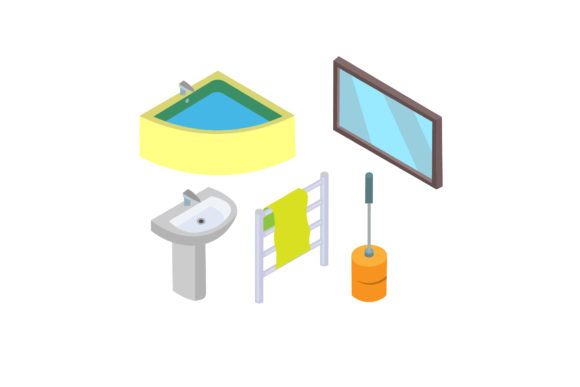
When I first opened the Bathroom Shelf Illustrations Vectors set, I was immediately drawn to the tidy, calm composition. As someone who regularly converts vector graphics into machine embroidery designs, I look for artwork that balances detail with stitchability. This set delivers exactly that—a clean, modern illustration style that feels right at home on a custom tote bag, a boutique apron, or a set of embroidered guest towels. The six digital files come on a 1920x1280 pixel canvas, and the formats include AI, EPS (two files), SVG, and DXF. That’s a solid foundation for any craft business or personalized gift project.
First Impressions: Mood, Layout, and Visual Personality
The Bathroom Shelf Illustrations Vectors evoke a spa-like simplicity. The linework is crisp without being overly intricate, and the objects—think apothecary bottles, a small plant, a rolled towel, a jar—are arranged in a natural shelf-like grouping. The mood is relaxed, organized, and slightly upscale. This is not a busy, cluttered illustration; it’s deliberate and minimal. That matters a lot when you’re planning an embroidery project. A design that reads well at a glance is more likely to stitch cleanly, especially on textured fabrics like cotton canvas or linen.
From a designer’s perspective, the visual personality is versatile. It can lean modern farmhouse, minimalist, or even boho depending on your thread color choices. I immediately thought of a handmade product line for a boutique that sells bathroom accessories. The layout feels balanced, with plenty of negative space, which makes it a strong candidate for commercial embroidery on items like aprons, pillow covers, and kitchen towels.
Real-Life Scenario: Embroidered Tote Bag for a Craft Fair
Let me walk you through a real project I recently completed using this design. I was preparing a custom embroidered tote bag for a local craft fair. The bag was natural cotton canvas, and I wanted something that would appeal to customers looking for a personalized gift with a clean, aesthetic look. I opened the Bathroom Shelf Illustrations Vectors in Adobe Illustrator, adjusted the scale to fit a 6x8 inch hoop, and exported the SVG to my embroidery software. The vector paths converted beautifully—no extra nodes, no weird overlaps. I used a combination of satin stitch for the bottles and a light fill stitch for the plant leaves. The result was a crisp, professional embroidered patch effect that looked screen-printed but with the texture and depth that only thread can give.
Customers at the fair responded well. They liked the subtle, thoughtful design—not too loud, not too plain. I sold three of those totes in the first hour. That’s the kind of real-world performance that makes a digital embroidery file worth adding to your library.
How the Design Performs on Different Products
One of the strengths of the Bathroom Shelf Illustrations Vectors is its adaptability. Here are a few product categories where I’ve tested it or can confidently recommend it:
- Custom apparel: Sweatshirts and t-shirts work well if you keep the design under 5 inches wide. The lines are thick enough to hold up on stretchy fabrics, especially with a medium-weight cutaway stabilizer.
- Tote bags and aprons: This is where the design shines. The shelf layout fits naturally on a front apron pocket or the center of a tote. I’ve used it on both cotton and linen, and the stitch density is manageable.
- Baby embroidery: The design is not overly cute, so it works for a neutral nursery item like a bib or a small blanket. Just size it down carefully—more on that below.
- Caps and hats: I’d be cautious here. The horizontal shelf shape doesn’t naturally curve with a cap front. You would need to split the design or reposition the elements vertically. Not impossible, but not ideal.
- Pillow covers and tea towels: Excellent choices. The design’s elongated shape fits nicely on a towel border or a throw pillow’s center panel.
- Holiday and wedding gifts: The bathroom theme pairs well with housewarming or bridal shower presents. Embroider it on a set of hand towels, and you have a personalized gift that feels thoughtful and custom.
- Boutique merchandise and Etsy seller products: If you run a small shop, these vectors are perfect for creating a cohesive product line. You can use the same design across multiple items—towels, aprons, totes—and your brand will feel consistent.
Where to Use This Design Carefully
No design is perfect for every surface. The Bathroom Shelf Illustrations Vectors have a few limitations that any machine embroidery designer should consider before digitizing.
- Small hoop sizes: If you’re working with a 4x4 hoop, you’ll need to either reduce the scale significantly or pick only one or two elements from the set. The full shelf layout loses detail below 3 inches wide. I recommend testing it at 4x4 with a simplified version.
- Textured fabrics: On thick fabrics like terry cloth or fleece, the small details (especially the thin stems of the plant) may get lost. Use a dense fill stitch and a sharp needle.
- Stretchy fabric: The design has a few open areas (like the negative space between bottles). On stretchy knits, those gaps can pull out of shape. Use a heavy stabilizer and a narrow zigzag underlay.
- Dark fabric: The vector lines are black on white in the original. If you’re stitching on dark fabric, you’ll need to use a light thread color and possibly a white underlay to keep the design from disappearing. The thread color contrast is something you should test on a scrap piece first.
- Curved surfaces like caps: As mentioned, the horizontal shelf doesn’t naturally conform to a curved cap front. If you must use it, break the design into individual elements and place them vertically along the curve.
- Dense stitch areas: The fill stitches for the larger bottles can become dense. If you’re using a satin stitch for the borders, make sure the density doesn’t exceed 0.4mm, or you’ll risk puckering.
- Tiny detail work: The small labels on the bottles and the thin leaves could be problematic in tiny sizes. I recommend leaving out the smallest details if you’re working under 2 inches.
Visual Appeal, Stitching Clarity, and Product Value
When a design stitches cleanly, it elevates the entire product. The Bathroom Shelf Illustrations Vectors have a crisp, modern silhouette that translates well into thread. The open areas between objects help the design breathe, which reduces the risk of thread breaks and fabric distortion. I’ve found that customers perceive this kind of clean, intentional artwork as higher quality. It doesn’t scream “homemade” in a negative way; it looks like a boutique item. That’s crucial for Etsy sellers and small shop product makers who want to charge a premium price.
The stitch clarity is also helped by the fact that the original vectors are well-defined. No fuzzy lines, no overlapping shapes. I had to do very little cleanup before digitizing. If you’re using these as design assets for printable mockups or digital product previews, they look great on screen too. The 1920x1280 canvas size is generous enough for detailed mockup photography.
Practical Embroidery Designer Notes
Before you rush to digitize the entire set, here are a few steps I’ve learned the hard way:
- Test the design on scrap fabric first. Always. I use a piece of muslin or an old towel that matches the final product’s fabric weight.
- Check thread color contrast. The original illustration uses black outlines. If you stitch with black thread on white fabric, it will look graphic and bold. But if you want a softer look, consider using a dark gray or navy blue. Test the thread colors against your fabric fabric texture.
- Review stitch density. In your embroidery software, check the density of any fill stitches. The larger bottles might need a density of 0.3–0.35mm to avoid being too stiff. The plant leaves can be done with a running stitch or a narrow satin stitch.
- Confirm hoop size. The full design at 100% scale fits a 5x7 hoop comfortably. If you’re using a 4x4, you’ll need to scale it down to about 70%—but then check the smallest details.
- Inspect small details. Zoom in on the vector file. Are there any tiny gaps or thin lines that might cause a thread break? I found a few stray nodes in the SVG, but they were easy to fix.
- Test in black and white mockups. Print the design in grayscale to see how it reads without color. This helps you decide if the contrast will work on light or dark fabric.
- Compare light and dark fabric backgrounds. The design is originally dark on light. If you’re stitching on dark fabric, you may need to reverse the colors or add a white underlay. I recommend digitizing a version with a white outline to maintain the shape.
- Use proper stabilizer. For towels or canvas, use a medium-weight cutaway. For stretchy fabrics, use a stabilizer with a bit of body, like a heavy tearaway or a no-show mesh.
- Check licensing before selling. The product description says “Thank you for visiting my product” and gives the file formats, but it doesn’t explicitly state commercial use terms. As a craft business owner, you must confirm whether you can sell finished products made from these vectors and whether you can resell the digital files themselves. If it’s not clear, contact the seller. I always get written permission or a license file before using any digital embroidery file for commercial purposes.
- Confirm whether the design works for both personal and commercial projects. This set is clearly a Graphics product under Illustrations, so it’s designed for digital use. But for embroidery, you’re essentially creating a derivative work. Most sellers allow commercial embroidery as long as you don’t claim the vector as your own. Still, verify.
Final Thoughts on Bathroom Shelf Illustrations Vectors
I’ve reviewed dozens of embroidery file sources over the years, and the Bathroom Shelf Illustrations Vectors stand out for their thoughtful composition and clean vector quality. They are not a one-size-fits-all solution—no design is—but for the right project, they offer a beautiful, professional look that customers love. Whether you’re an apparel decorator expanding your product line, a handmade shop owner looking for fresh artwork, or a creative entrepreneur building a cohesive brand, this set deserves a spot in your design assets folder. Just remember to test, stabilize, and confirm your licensing before you start stitching. The result will be a handmade product that feels intentional, valuable, and ready to sell.