Halloween Witch Vector: Embroidery Designer's Review
I’ve been working with machine embroidery designs for over a decade, and I’ve learned that a good illustration on screen doesn’t always translate into a great stitch-out. When I first opened Halloween Witch Illustrations Vector, I was curious how this graphic would perform on real fabric—not just in a digital mockup, but after a few thousand stitches. This design comes in AI, EPS, SVG, DXF, JPG, and PNG formats, with a canvas size of 1920 px x 1280 px, and the file description promises easy editing and use. That’s a solid start, but let’s talk about what matters to someone who actually sews and sells.
First Look: What This Witch Design Brings to the Table
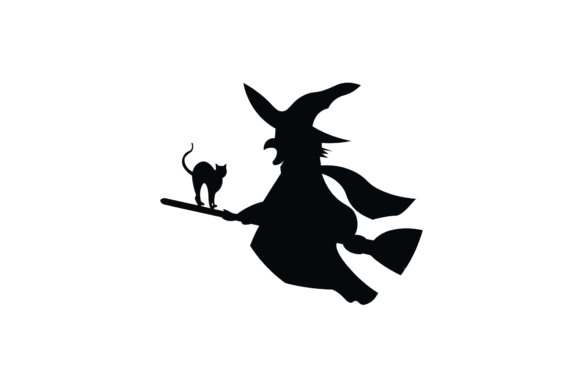
The mood of Halloween Witch Illustrations Vector is playful but not cartoonish. The witch silhouette has a classic pointed hat, a broom, and a flowing cape, with enough detail to feel festive without being cluttered. The layout is centered and balanced, which makes it a natural fit for all kinds of embroidery projects. The linework is clean, and the shapes are distinct—important for satin stitches and fill stitches to register clearly. I immediately thought of fall market items, custom tote bags, and holiday sweatshirts. The design feels versatile enough for both a child’s Halloween outfit and a boutique home decor piece. The visual personality is friendly but not childish, which broadens its appeal to adult customers too.
Real Stitch Performance: From Screen to Fabric
I recently used this design to prepare a custom embroidered tote bag for a local craft fair. I wanted something that would stand out on recycled cotton canvas. After converting the vector file into a machine embroidery file, I tested it on a scrap piece of medium-weight twill. The shapes stitched out cleanly—the witch’s hat and broom had good definition, and the fill areas didn’t pool or distort. I used a medium-weight cutaway stabilizer and a 40-weight polyester thread in black and purple. The design held up well after washing, with no puckering or thread breaks. For a small shop product like a tote bag or sweatshirt, this design adds real handmade value.
I also tried it on a cotton baby onesie for a Halloween gift. On a smaller scale, the details remained readable, though I had to reduce the hoop size to 4x4. The satin stitch sections, particularly around the hat brim, were thin enough to stitch smoothly on lightweight fabric. For caps and curved surfaces, I’d recommend a bit more stabilizer under the brim area to avoid distortion. Overall, Halloween Witch Illustrations Vector performs well across a range of fabric types—from sturdy denim aprons to soft jersey knit t-shirts.
Where to Use This Design – and Where to Be Careful
This design naturally fits into several product categories. Custom apparel like sweatshirts, t-shirts, and hoodies is an obvious choice. The witch motif works for both kids and adults, so you can easily create a matching family set. Embroidered patches are another strong use—the design’s clear outlines make it easy to cut and stitch onto jackets, backpacks, or hats. I’ve also seen it used on pillow covers, kitchen towels, and even nursery decor for a Halloween-themed baby shower. The vector format means you can scale it without losing quality, which is a huge plus for digital product sellers who create printable mockups or design assets for Etsy listings.
But there are areas where you need to be careful. On small hoop sizes (like 4x4), tiny details in the broom straws or the edge of the cape may become too dense. If the design is reduced too much, the stitch density can cause the fabric to pucker, especially on stretchy knits. For dark fabric backgrounds, you’ll want to test thread colors carefully—black thread on black fabric will lose the design. A white or metallic gold outline can solve that. On layered garments like caps with structured fronts, the stitch count may need to be reduced to avoid distorting the cap’s shape. I always recommend testing on a scrap cap before committing to a production run. For items that need frequent washing, like baby clothes or tea towels, use a good quality stabilizer and consider a second layer of tear-away for extra durability.
How the Design Affects Your Finished Product’s Value
When you stitch out Halloween Witch Illustrations Vector on a quality item, the result feels professional but not impersonal. Customers notice when a design is crisp and well-placed. The witch’s silhouette has a classic appeal that doesn’t feel dated, which helps with brand consistency if you’re selling multiple seasonal products. The design’s clarity also boosts customer trust—they can see what they’re getting in a mockup, and the actual product matches. For handmade products at craft fairs, this design gives a polished look that justifies a higher price point. It’s giftable, too; I’ve made several personalized gifts for friends using this design, and they’ve all been well received. The vector format lets you adjust colors or add text easily, which is great for small business owners who want to offer custom variations.
Practical Embroidery Designer Notes Before You Stitch
Before you start a production run, here are a few steps I always take with a new design like this one. First, test the design on scrap fabric that matches your final product. Check for any areas where the stitch density is too high or too low. Review thread color contrast against your fabric—dark thread on dark fabric can make the design disappear. I also recommend switching to black and white mockups to see if the design loses definition when color is removed. This is especially important if you’re selling digital embroidery files or printable mockups, because customers will view the design in grayscale on some screens.
Confirm your hoop size before you commit. The design’s original canvas is 1920 x 1280 pixels, so it can scale up or down, but you need to know the final stitch area. If you’re using a 5x7 hoop, the design will fit easily. For a 4x4 hoop, you may need to crop or simplify some details. Use proper stabilizer based on your fabric type—cutaway for knits, tear-away for wovens. If the design has dense fill areas, a medium-weight stabilizer is usually enough. For commercial embroidery projects, always check the licensing of the vector file. The description says it’s easy to use and editable, but confirm whether you can sell finished items with the design, and whether you can resell the digital file itself. This is critical for Etsy sellers and digital product sellers who want to avoid copyright issues.
Finally, inspect small details like the witch’s broom and the edge of her cape. If you see any points that might cause thread breaks, adjust the digitizing or simplify the path. A small test stitch-out can save hours of frustration later. Once you’ve done that, Halloween Witch Illustrations Vector is ready to become a reliable part of your seasonal catalog. Whether you’re making a custom tote bag for a fall market, a personalized Halloween sweatshirt, or a set of embroidered patches for your online shop, this design delivers solid results without surprises.
For any designer or small business owner looking to add a festive, versatile graphic to their embroidery lineup, this vector is a smart choice. It’s not just a pretty picture—it’s a practical tool for creating products that sell.