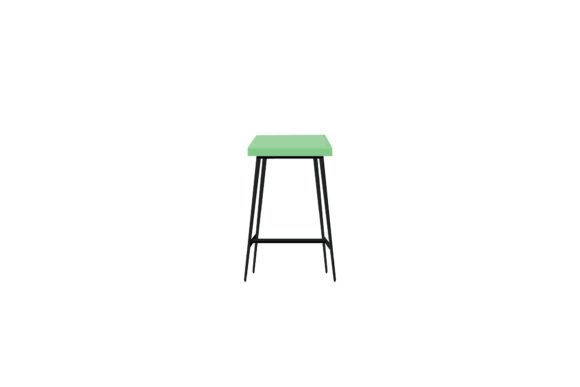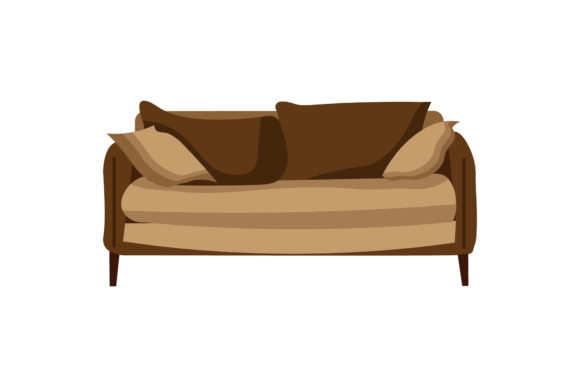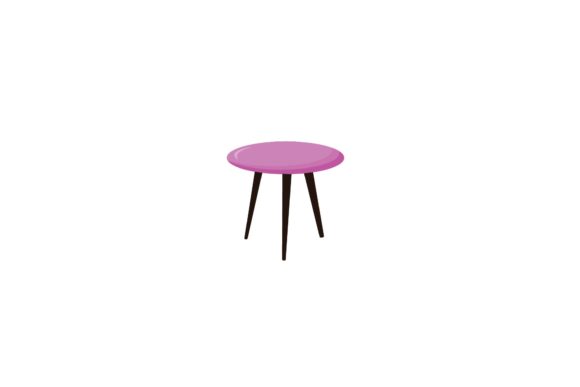
Living Room Cutty Stool: Graphics & Illustrations
When I first opened the Living Room Cutty Stool Illustrations asset, I was preparing a visual concept for a small handmade furniture brand looking to launch a boutique line of accent pieces. The client needed a cohesive set of marketing visuals for their Etsy product listings, social media graphics, and packaging details. This design asset landed in my inbox as a potential fit for the project, and I approached it with the same critical eye I bring to any graphic design asset before recommending it for real client work. The first impression was one of clean, approachable charm with a hand-drawn quality that feels both intentional and versatile. The illustrations carry a subtle warmth without feeling overly decorative, which immediately suggested a range of practical applications in brand identity, packaging design, and editorial design.
A Visual Mood That Balances Warmth and Utility
The Living Room Cutty Stool Illustrations present a style that sits comfortably between detailed line art and simplified vector graphics. The lines are confident but not rigid, and the proportions feel grounded in real furniture design while remaining stylized enough to work across different media. This is not an overly ornate asset; it respects the object it represents and lets the form speak. For a small business branding project, especially one centered on home goods or interior products, this visual mood creates an immediate sense of authenticity. The illustrations feel like they belong on a product mockup for a handmade stool, on a sticker design for a printable design bundle, or even as a supporting element in a logo design for a woodworking studio. The asset does not try to be too trendy, which means it can hold its own across seasonal campaigns or evergreen brand materials.
Where This Asset Performs Best in Real Client Work
In my testing, the Living Room Cutty Stool Illustrations excelled in several specific design scenarios. For packaging design, the clean silhouette and balanced composition made it a natural fit for labels, hang tags, and box inserts. The 1920px x 1280px canvas size provides enough resolution for most print applications, especially when paired with the included SVG design and EPS file formats for scalable output. I found the asset particularly effective as a hero graphic in social media graphics for Instagram and Pinterest, where the clean lines held up well at smaller sizes without losing detail. For Canva template projects, the transparent background compatibility and vector flexibility allowed me to layer the illustration over different textures and colors without clipping issues. The asset also works well for Cricut projects and sublimation design work, where the cut-friendly shapes and solid fill areas simplify the production process. The DXF file format is a thoughtful inclusion for crafters who need precise cutting paths.
Practical Applications Across Design Disciplines
In brand identity work, the Living Room Cutty Stool Illustrations can serve as a secondary graphic element or a supporting icon in a larger visual system. I tested it as part of a logo design concept for a boutique furniture maker, and the illustration held its own when paired with a clean sans serif font. It also worked well in marketing visuals for a print-on-demand product line, where the illustration became the central motif on t-shirts, mugs, and tote bags. For editorial design, the asset functioned nicely as a chapter opener or sidebar accent in a home decor magazine layout. The clipart nature of the illustrations means they can be treated as modular components in a design bundle, allowing for quick composition adjustments without losing visual consistency. For web design and blog visuals, the asset scaled appropriately for hero images and supporting graphics, though I noted that the line weight works best when displayed at medium to large sizes on screen.
Where to Use This Asset with Caution
No graphic design asset is universal, and the Living Room Cutty Stool Illustrations have specific limitations worth noting. At very small sizes, such as in a sticker design for a tiny product label or in a social media graphic thumbnail, the finer line details can become less distinct. I recommend testing the asset at your intended output size before committing to a final layout. In crowded or complex backgrounds, the illustration may need additional contrast support to maintain visual hierarchy. For minimalist branding projects that require extremely clean, geometric forms, the hand-drawn quality of this asset might feel slightly too organic. Similarly, for professional corporate materials where a rigid, architectural look is required, the stylized stool illustrations may not align with the brand tone. The asset also requires careful placement in low-contrast designs; using it on a light background with a light stroke color will reduce its impact. Always preview the illustration on both light and dark backgrounds before finalizing your commercial design.
Readability, Hierarchy, and Brand Consistency
When incorporating the Living Room Cutty Stool Illustrations into a layout, I found that the asset supports visual hierarchy well when used as a focal point or a repeating pattern. The silhouette is distinctive enough to create recognition, but not so complex that it competes with typography or other design elements. In packaging design, the illustration can anchor a label layout without overwhelming the product information. For brand identity systems, the asset contributes to a consistent visual language when paired with complementary icons or illustrations. The emotional appeal is grounded and trustworthy, which suits handmade business and small business branding projects that need to convey craftsmanship and authenticity. The modern design sensibility of the asset is restrained, making it a flexible choice for commercial design work across different market segments.
Practical Designer Notes for Professional Use
Before using the Living Room Cutty Stool Illustrations in any client project, I recommend a few practical checks. First, test the asset in black and white to confirm its form and contrast work independently of color. I did this with the AI file and EPS file formats, and the line quality remained consistent. Second, preview the illustration at both small and large sizes on real product mockups to see how it behaves in context. I placed it on a mug mockup, a tote bag mockup, and a label template, and the results were clean across all three. Third, check the SVG design and DXF file for vector editability, especially if you plan to adjust the line weight or fill areas for Cricut projects or sublimation design work. The PNG design transparency held up well in my tests, though I always recommend confirming the alpha channel is intact before layering. Fourth, compare the asset with different font styles: I tested it with a serif font, a sans serif font, a script font, a handwritten font, and a display font. The illustration paired most naturally with a clean sans serif or a subtle serif, while the script and handwritten fonts introduced a more casual, artisan feel. Finally, verify the commercial license terms before using the asset for a client, Etsy product, or print-on-demand business. Ensuring you have the rights to use the design assets in commercial work is a non-negotiable step in professional design practice.
Final Assessment for Creative Professionals
The Living Room Cutty Stool Illustrations offer a solid, usable graphic design asset for a range of creative design projects. The illustrations are well-suited for packaging design, brand identity, social media graphics, printable design, and merchandise applications. The file format variety, including AI file, EPS file, SVG design, and DXF file, makes it accessible for both vector editors and craft platforms like Cricut. The asset performs best when used at medium to large sizes, with sufficient contrast, and in projects that benefit from a warm, hand-drawn aesthetic. For small business branding, handmade business visuals, and creative marketplace listings, this illustration set can add a polished, professional touch without feeling generic. As with any digital product, testing it in your specific use case is essential, but the Living Room Cutty Stool Illustrations have earned a place in my design assets folder for future client projects that need a grounded, approachable visual element.