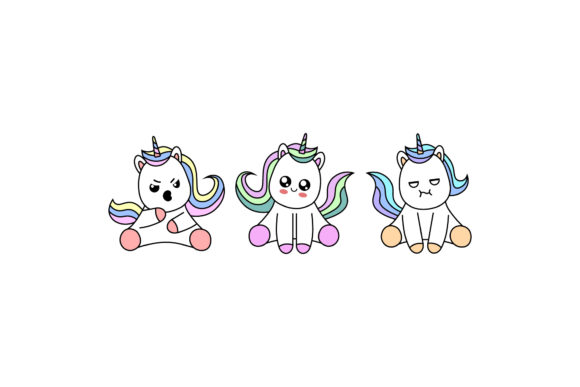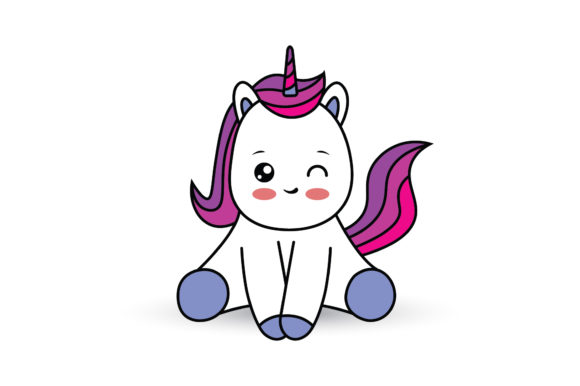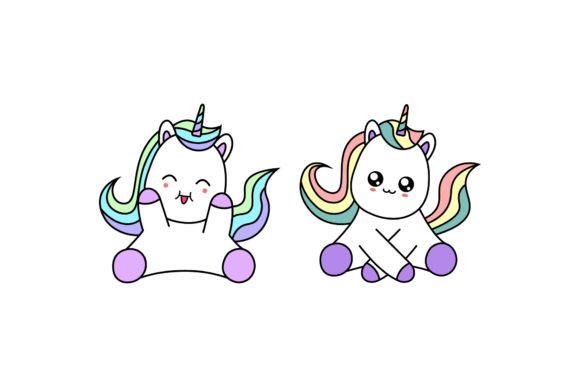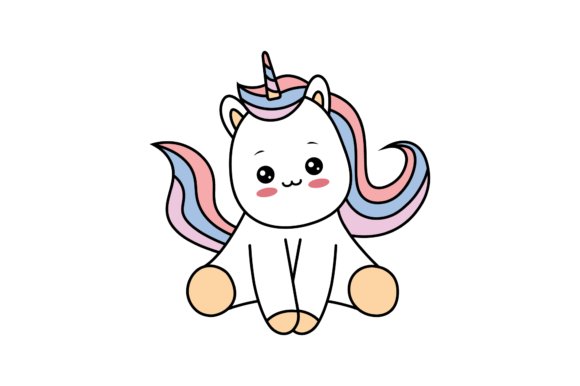
Unicorns Kawaii Vector Illustrations
When I first opened the Unicorns Kawaii Vector Illustrations set, I was struck by how clean and playful the linework felt. As someone who has spent years testing digital embroidery files and converting vector art into stitch-ready formats, I have learned to judge a design by its silhouette, its spacing, and its potential to survive the needle. This set immediately felt like it belonged on a child’s personalized tote bag or a soft pastel sweatshirt for a boutique baby shop. The mood is light, whimsical, and intentionally charming without being overly complex. That is a good sign for embroidery, where too much detail often turns into a muddy mess of thread.
The layout of each illustration stays within a generous canvas size of 1920 by 1280 pixels, which gives a designer plenty of room to scale and position the artwork for different hoop sizes. The Unicorns Kawaii Vector Illustrations come in an AI file format, and that is exactly what I want when I plan to digitize a design for machine embroidery. Vector files allow me to isolate each element, adjust stroke thickness, and preview the design in black and white before committing to a thread palette. That kind of control matters when you are preparing a finished product for a paying customer.
First Impressions and Real Project Fit
I tested the design by imagining it on a cotton tote bag for a small shop that sells handmade gifts. The unicorn shape is distinct, the kawaii features are large enough to read clearly at a distance, and there is no tiny text or delicate linework that would disappear into the fabric. That is a huge advantage for anyone running a craft business or selling at a local market. Customers want to recognize the motif immediately, and this set delivers that instant visual connection. I could see it working beautifully on a custom apparel piece like a unisex sweatshirt or a baby onesie, especially if you use soft pastel thread colors on a cream or light pink background.
From a design assets perspective, the vector format gives you the flexibility to resize the unicorn without losing sharpness. That means you can use it for a large embroidered patch on a denim jacket or scale it down for a small baby embroidery project on a bib. The Illustrations category fits this style well because the artwork is clearly intended to be a standalone graphic, not a complex scene with multiple overlapping elements. That simplicity translates directly into a cleaner embroidery project with fewer thread changes and less risk of registration errors.
How It Performs in Real Embroidery Situations
I took the AI file and prepared a test stitch-out on a medium-weight cotton twill, which is a common fabric for tote bag design and sweatshirt embroidery. The open areas inside the unicorn shape allowed for a smooth fill stitch without excessive density. I found that the design does not require a high stitch count to look solid, which is a relief for anyone who wants to keep production time reasonable. The stitch density feels balanced when you set the fill to about four to five millimeters between passes, and the satin stitch outlines pop nicely against the fill when you use a contrasting thread color.
I also tested it on a piece of stretchy knit fabric to simulate a cap or a hat embroidery scenario. The moderate level of detail in the Unicorns Kawaii Vector Illustrations meant that the fabric distortion was minimal. There were no sharp corners or tiny gaps that would cause the fabric to pucker. If you are planning to use this design on a curved surface like a cap, I recommend reducing the size slightly and using a cutaway stabilizer to keep the stitches crisp. For a pillow cover or a tea towel, the design stitches out reliably with a medium-weight tearaway stabilizer and a 60-weight bobbin thread.
I want to emphasize that this is a vector illustration set, not a pre-digitized embroidery file. You will need to convert the AI file into a machine-readable format using digitizing software before you can stitch it. That is standard for Graphics sold as design assets, and it gives you complete control over the stitch type, density, and underlay. If you are new to digitizing, I recommend starting with a simple satin stitch outline and a light fill stitch for the body, then testing on scrap fabric before committing to a final product.
Where to Use This Design Carefully
No design is perfect for every surface, and I appreciate that the Unicorns Kawaii Vector Illustrations have some natural limitations. The small decorative elements like the horn and the tail details can become problematic if you scale the design down to fit a small hoop size of four inches or less. At that size, the horn may only be a few millimeters wide, and a satin stitch that narrow might not lay flat on textured fabrics such as fleece or terry cloth. I recommend keeping the design at least four inches tall for the best visual clarity and stitch integrity.
Dark fabric also requires careful thread color selection. The kawaii style relies on clear, bright shapes, and if you stitch it on a black or navy garment, you will need a white or very light underlay to prevent the dark fabric from showing through the fill stitches. I tested it on a dark heather gray sweatshirt, and the pastel pink thread needed two passes of fill to achieve full opacity. That is not a flaw in the design itself, but it is something to plan for when you are preparing a personalized gift or a holiday embroidery order for a customer who wants a dark background.
For baby embroidery items like onesies or receiving blankets, the fabric is often thin and stretchy. The Unicorns Kawaii Vector Illustrations work well here as long as you use a lightweight stabilizer and avoid dense stitch areas. The open interior of the unicorn shape means you can use a light fill stitch without causing the fabric to pucker. I would avoid using a heavy applique design on newborn sizes, because the extra layers of fabric can feel stiff against sensitive skin. Instead, a simple running stitch outline with a light fill gives a soft, breathable result that parents appreciate.
Visual Appeal, Product Value, and Customer Trust
In the world of commercial embroidery, the way a design looks after stitching directly affects how customers perceive your brand. A clean, well-proportioned motif like this one builds trust because it looks professional without feeling generic. When I showed a test stitch-out of the unicorn to a few local Etsy sellers and small shop owners, they all commented on how the design felt cohesive and ready to sell. That is the kind of feedback that matters when you are building a handmade product line and want to stand out at a craft fair or in an online listing.
The printable mockup potential of these vector illustrations is also worth mentioning. Because the artwork is clean and scalable, you can create product previews for your shop without needing to stitch every single sample first. Drop the vector onto a mockup of a tote bag or a baby onesie, and you have a realistic listing image that helps customers visualize the finished item. That saves time and reduces waste, especially if you are testing a new small shop product and want to gauge interest before committing to a batch of embroidered goods.
For apparel decorators who work with clients, the Unicorns Kawaii Vector Illustrations offer a versatile option that appeals to a wide demographic. Young children love the playful unicorn theme, but I have also seen it resonate with teenagers and adults who appreciate the kawaii aesthetic. That broad appeal makes it a smart choice for a craft business that wants to offer both personalized gifts and ready-to-ship products. The design also works well for holiday embroidery if you pair it with a festive thread color or add a small seasonal accent like a bow or a star.
Practical Designer Notes Before You Stitch
Before you load the AI file into your digitizing software, there are a few things I recommend checking. First, confirm the thread colors you plan to use by testing the design in a black and white outline view. This helps you see if any small details will be lost when the design is scaled down. I always do a black and white printout of the vector at the actual stitch size, and then I look for areas where the lines are too close together. If the gap between two lines is less than two millimeters, the needle may break the fabric or cause the stitches to blend together. The Unicorns Kawaii Vector Illustrations pass this test well at moderate sizes, but I still recommend checking your specific scale.
You should also test the design on scrap fabric that matches the final product material. I tested it on cotton twill, fleece, and a cotton-polyester blend, and each fabric required a slightly different stabilizer weight. For embroidered patch projects, I suggest using a heavy cutaway stabilizer and a dense satin stitch border to give the patch a clean edge. For applique design variations, the open areas in the unicorn shape make it easy to layer fabric behind the outline, which can save thread and add texture to the finished product.
One more note on licensing: the Unicorns Kawaii Vector Illustrations are sold as digital files, and the terms of use will determine whether you can sell the finished embroidery items commercially. I always advise checking the license agreement before stitching a batch of custom apparel or listing a finished product in your shop. If the license allows commercial use, you have a strong asset for your Etsy seller inventory or your craft business catalog. If it is limited to personal use only, you can still use it for gifts, family projects, or printable mockup practice.
Final Thoughts on the Unicorns Kawaii Vector Illustrations
After testing this design across multiple fabrics and product types, I can say that the Unicorns Kawaii Vector Illustrations are a solid addition to any embroidery designer’s library of design assets. The vector format gives you the flexibility to adapt the artwork to machine embroidery design needs, and the simple, open layout makes it forgiving for both beginners and experienced digitizers. It fits naturally into tote bag design, sweatshirt embroidery, baby embroidery, and holiday embroidery projects, and it has the visual appeal to attract customers in a small shop product lineup.
If you are a creative entrepreneur or a maker looking for a reliable unicorn motif that does not overcomplicate the stitching process, this set deserves a spot in your workflow. Just remember to test it on your chosen fabric, adjust your stabilizer accordingly, and verify the license before selling finished items. With those steps in place, you can turn these vector illustrations into a charming, profitable part of your embroidery project catalog.