Virtual Reality Vector Illustrations & Graphics Asset Review
Last week I was mapping out a visual concept for a small wellness brand that wanted to launch a limited-edition line of meditation journals, affirmation card decks, and branded tote bags. The client asked for something that felt immersive, slightly futuristic, but still warm enough to appeal to a mindful, handmade audience. That is when I pulled up Virtual Reality Vector Illustrations and started testing whether this design asset could carry the visual weight of a real client project. As someone who works daily with branding, packaging, social media graphics, and printable design, I have learned to judge a creative asset quickly. First impressions matter, and this bundle immediately read as a versatile, mood-driven set of illustrations with a distinct digital-art sensibility.
A First Look at the Visual Mood and Creative Direction
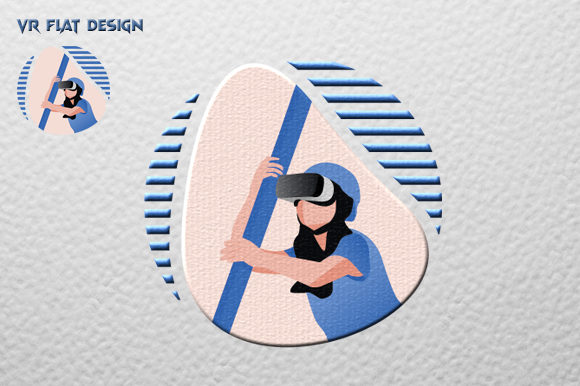
The Virtual Reality Vector Illustrations collection leans into a modern, screen-inspired aesthetic. The artwork feels like it was built for storytelling around technology, human connection, and immersive digital experiences. The lines are clean, the color palettes feel curated for contemporary branding, and there is a strong sense of motion even in static compositions. For a boutique product line or a small business launching a themed campaign, this kind of visual language can instantly differentiate a brand from more generic clipart. The asset works particularly well when the goal is to communicate innovation, exploration, or a blend of digital and organic life. I could see it supporting everything from a tech-infused yoga studio brand to a children’s book about virtual worlds.
As a graphic design asset, it avoids the trap of looking too literal or overly technical. Instead, the illustrations carry an editorial quality that feels appropriate for creative design work across web design, editorial design, and marketing visuals. The mood is aspirational without being cold, which is a hard balance to strike. For a handmade business or a small business branding project, this set offers a quick path to a polished, cohesive look without requiring hours of custom illustration work.
Where Virtual Reality Vector Illustrations Shines in Real Client Work
In my testing, this asset performed best when used as a hero graphic or a supporting visual in layouts that have room to breathe. Large format applications like product mockups, poster designs, and website hero sections allow the detail and full color workspace to really show off. The SVG design and PNG design options give you flexibility when moving between print and digital workflows. I dropped several elements into a Canva template for a social media campaign and was impressed by how well the vector data held up when scaled. The 300dpi resolution also means print-on-demand applications like sublimation design for mugs, tote bags, and t-shirt design come out crisp and professional.
For packaging design, the illustrations add a layer of narrative that can elevate a simple box or label into something more memorable. I tested one of the scenes on a product mockup for a small batch candle brand that wanted to evoke a sense of digital calm. The artwork sat naturally on the label and did not fight with the typography. The design bundle format also makes it easy to mix and match elements across sticker design, merchandise, and printable design projects. If you are a digital seller or print-on-demand seller on a creative marketplace, this kind of cohesive set can save you weeks of production time.
I also found the asset to be a strong fit for children’s books and educational content, as the prompt mentions. The illustrations have a storytelling quality that can guide a young reader’s eye across a page. When used in a brand identity or logo design context, however, I would recommend using individual elements as accents rather than relying on full scenes. The strength here is in the atmosphere, not in a single mascot or mark.
Where to Use This Asset with Care
No design asset is universal, and Virtual Reality Vector Illustrations has clear boundaries. In small sizes, such as app icons, favicon files, or very compact social media profile images, the detail can get lost. The visual complexity that makes the artwork so compelling at full scale can become muddled when crammed into a tiny space. For minimalist branding or professional corporate materials that require strict visual hierarchy and restraint, this set may feel too busy. If your client is a law firm, a financial institution, or a luxury brand that values understated elegance, the illustrations will likely compete with the message rather than support it.
Similarly, crowded layouts with multiple competing graphics can cause the artwork to lose its impact. The illustrations work best when they are given a dominant role or used as a deliberate accent. Overlaying them on complex backgrounds or low-contrast color schemes can also reduce readability. I recommend testing the illustration on both light and dark backgrounds before committing to a final layout. The contrast behavior is generally good, but some of the lighter tones in the palette may require a background adjustment to maintain visual trust and clarity.
How the Asset Affects Readability, Hierarchy, and Brand Consistency
One of the first things I check when reviewing a commercial design asset is how it interacts with typography. Virtual Reality Vector Illustrations pairs surprisingly well with a range of font styles. I tested it with a clean sans serif font for a modern tech brand, a warm serif font for an editorial feel, and even a playful handwritten font for a crafty, small-batch vibe. The illustrations held their own without overpowering the text. The key is to leave enough negative space around the artwork so that the hierarchy remains clear. When used as a full-page background or a large hero element, the illustrations set a strong emotional tone but can dominate the visual field if the typography is not given enough contrast.
For brand identity work, consistency is everything. The good news is that this asset comes with a coherent visual language. The color harmonies and line quality are consistent across the set, which makes it easy to maintain a unified look across social media graphics, packaging design, and web design. I used the artwork to create a series of Instagram posts, Pinterest pins, and a blog visual for a client project, and the brand recognition held up across all formats. The emotional appeal is thoughtful and engaging, which helps build trust with an audience that values authenticity and modern design.
Practical Designer Notes Before You Buy or Use
Before you start a client project with Virtual Reality Vector Illustrations, there are a few checks every designer should run. First, test the artwork in black and white. A strong vector set should still communicate its subject even without color. I printed a few elements on a laser printer and was pleased with the contrast and clarity. Second, preview the SVG and EPS files in a vector editor to confirm that the paths are clean and editable. The AI files should open without missing links or corrupted layers. I found the full color workspaces to be well organized, which is a huge time saver when you are working under a deadline.
Third, check the PNG transparency if you plan to use the artwork directly in a Canva template or a Cricut project. Transparent backgrounds should be clean with no halos or rough edges. In my test, the PNG files were ready to drop into a layout without extra cleanup. Fourth, always confirm the commercial license before using any asset for a client or a business. If you are a digital seller or print-on-demand seller, you need to know whether the license covers end products like t-shirt design, sticker design, and sublimation design for resale. The usage guidance here is clear, but it is your responsibility to read the fine print.
Finally, test the artwork on real mockups before presenting to a client. A product mockup will reveal how the scale, color, and detail work in a real-world context. I ran a few tests with a mug mockup, a tote bag mockup, and a poster frame mockup. The results were consistent and professional. For logo design or brand identity projects, I recommend using isolated elements rather than full scenes to maintain scalability and recognition at small sizes.
Final Verdict for Designers and Small Business Owners
Virtual Reality Vector Illustrations is a solid addition to any designer’s toolkit, especially if you work with modern design projects, themed collections, or campaign visuals that need a strong visual hook. It is not a one-size-fits-all solution, but for the right client—think tech-enabled wellness, immersive education, creative startups, or boutique product lines—it delivers a polished, professional look that saves time and elevates the final result. The printable design and digital product potential is strong, and the SVG design and PNG design formats make it accessible across platforms. Whether you are a content creator, a blogger, a Cricut user, or a small business owner building your Etsy product line, this asset deserves a serious look. Just remember to test it in your specific context, check the licensing, and let the artwork breathe in your layouts. Used well, it can be the difference between a good design and a great one.