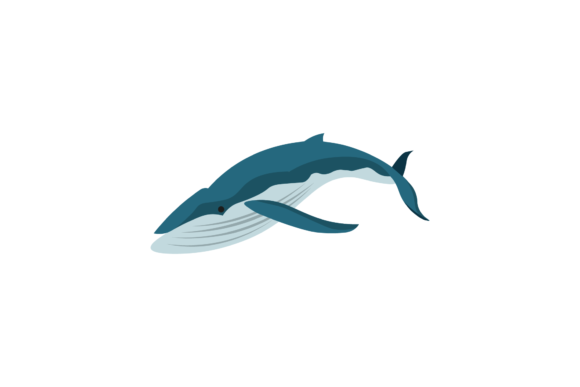
Whale Humpback Illustrations Realis: Graphics for Editorial Use
When I first opened the Whale Humpback Illustrations Realis pack, I was struck by the quiet confidence of the artwork. These are not cartoonish ocean characters or hyper-detailed scientific drawings. Instead, they sit in a refined middle ground — artistic enough to feel curated, clean enough to function as modern design assets for real publishing workflows. As someone who builds blog layouts, prepares Pinterest pins, and assembles lead magnets for content-driven websites, I look for graphic design assets that do not fight for attention but rather elevate everything around them. This collection delivers exactly that kind of editorial poise.
The visual mood is best described as modern editorial with a touch of storytelling. The humpback whale is rendered with a sense of movement and grace, making it suitable for lifestyle content, educational guides, nature-focused blogs, and even aspirational branding. The linework and tonal balance suggest a hand-drawn influence that has been refined for digital use. This is not a generic stock illustration. It feels like a considered piece of creative design that was built for content marketing and visual communication.
For bloggers and digital publishers, the Whale Humpback Illustrations Realis pack offers a palette of possibilities. The inclusion of multiple file formats — AI, EPS, SVG, DXF, JPG, and PNG — with a canvas size of 1920 pixels by 1280 pixels in each type means you can move seamlessly from web design to printable design without losing quality. The designers guarantee that the asset is easy to use and editable as needed, which is a practical reassurance for anyone who has ever wrestled with a poorly constructed vector file.
Why This Whale Belongs in Your Content Workflow
Every piece of visual content you publish either builds trust or erodes it. Readers make split-second judgments about a website based on the quality of its imagery. A well-chosen illustration can signal professionalism, warmth, and attention to detail. The Whale Humpback Illustrations Realis pack supports that by offering a design that feels both intentional and adaptable. It is not tied to a specific season or trend, which means it can anchor a brand identity across multiple content cycles.
I tested this asset in several real publishing scenarios. First, I used it as a hero image for a blog post about ocean conservation. The illustration sat behind a headline set in a serif font, and the result was a clean, magazine-style layout that felt immediately trustworthy. Next, I placed it into a Pinterest pin template alongside a bold sans serif headline. The contrast between the organic whale shape and the geometric typography created a strong visual hierarchy that makes pins more clickable. Finally, I dropped the SVG version into a Canva template for a digital guide on marine ecosystems. The scalability was perfect — no pixelation, no awkward clipping.
This is the kind of performance that matters when you are producing content at scale. Whether you are building blog graphics, newsletter headers, or social media graphics, the Whale Humpback Illustrations Realis pack holds up under real publishing pressure.
Where Whale Humpback Illustrations Realis Shines in Publishing
After working with this asset across several projects, I can identify the specific use cases where it delivers the most value. These are the placements where the illustration enhances reader perception and supports your content goals.
- Blog featured images: The 1920x1280 pixel canvas is ideal for full-width headers. The whale illustration creates an immediate emotional anchor for the reader.
- Pinterest pins: The clean silhouette and subtle detail work well in vertical pin formats, especially when layered with text overlays in a sans serif or handwritten font.
- Article headers and editorial accents: Use the illustration as a section divider or a pull-quote background to add visual rhythm to long-form content.
- Newsletter graphics: The whale motif works beautifully in email headers, giving your newsletter a consistent brand identity that subscribers recognize.
- Lead magnets and digital guides: For downloadable resources such as worksheets, eBook covers, or checklists, the illustration adds a professional finish that encourages downloads.
- Media kits and affiliate content: If you are pitching to brands or creating affiliate marketing visuals, a polished design asset like this signals that you take your presentation seriously.
- Social media posts and digital ads: The whale works across Instagram, Facebook, and LinkedIn as a standalone graphic or as part of a larger composition.
- Printable design: The DXF and SVG formats make it easy to use in print projects, from posters to journal covers.
In each of these contexts, the Whale Humpback Illustrations Realis pack supports a stronger first impression, clearer visual hierarchy, and better click-through potential. It is a graphic design asset that earns its place in your content marketing toolkit.
Where to Use This Design Asset Carefully
No single asset works everywhere, and it is important to be honest about where the Whale Humpback Illustrations Realis pack may need a lighter touch. The illustration has a natural, flowing quality that can feel out of place in certain contexts.
- Small mobile thumbnails: The detail in the whale may be lost at very small sizes. If you are using it as a category thumbnail, test it on a mobile screen first.
- Text-heavy blog images: When layered with dense text, the illustration may compete for attention. Use it as a background element with generous opacity reduction or pair it with a bold, simple headline.
- Low-contrast backgrounds: The whale works best against a light or neutral background. On dark or busy backgrounds, you may lose the silhouette.
- Serious professional niches: If your content is strictly corporate or legal, the whale may feel too artistic or lifestyle-oriented. Consider your audience before committing.
- Minimal visual systems: Websites that rely on a very stripped-down, minimalist aesthetic may find the illustration too decorative. It is a design asset with personality, and that is not always the right fit.
The key is to preview the asset inside your real layout before publishing. A quick test inside a staging environment or a Canva template will reveal whether the Whale Humpback Illustrations Realis pack supports your visual identity or distracts from it.
Practical Publisher Notes for Working with Whale Humpback Illustrations Realis
From a production standpoint, this asset is well prepared for real publishing work. The file formats cover the full spectrum of editing and deployment needs. The AI and EPS files are ideal for designers who want to tweak the illustration in vector software. The SVG format works beautifully for web use, especially when you need to scale the image responsively. The JPG and PNG versions are ready to drop directly into blog posts, social media graphics, and email templates.
Before you use the Whale Humpback Illustrations Realis pack on a monetized website, affiliate page, or paid content product, confirm the commercial license terms. Most design assets from reputable creative marketplaces include a commercial license, but it is your responsibility to verify. I always check the license file inside the download folder before publishing anything that generates revenue.
Here are a few additional production steps I recommend:
- Test on desktop and mobile screens: The illustration should look balanced and clear at both sizes. Check how it appears in a 16:9 hero image and a 1:1 social square.
- Check how it looks as a thumbnail: If you plan to use it as a category image or article thumbnail, preview it at 150x150 pixels to ensure the whale remains recognizable.
- Preview it inside a real blog layout: Place the illustration alongside your headline, subheadings, and body text. Assess the overall visual hierarchy.
- Test with different font styles: The whale pairs well with serif fonts for a classic editorial feel, sans serif fonts for a modern look, and handwritten fonts for a personal, creative vibe. Script fonts can work, but test for readability.
- Check contrast and readability: If you overlay text, ensure the illustration does not wash out the copy. Adjust opacity or add a subtle background overlay.
- Try it in black and white: The grayscale version of the illustration holds its shape well, which is useful for print materials or monochrome branding.
- Review file size for web performance: The JPG and PNG versions are generated at 1920x1280 pixels, which is a manageable size. Compress images further using a tool like TinyPNG if you are concerned about page load speed.
- Compress images properly: Large image files can slow down your site. Use modern formats like WebP for web use while keeping the original formats for editing.
- Confirm commercial licensing: Before using the asset on a monetized blog, affiliate site, or paid product, verify that the license covers your intended use. This is a non-negotiable step for any professional publisher.
These steps may seem like extra work, but they are exactly what separate a polished content page from a compromised one. The Whale Humpback Illustrations Realis pack is robust enough to handle these tests, and the results will reward your attention to detail.
How This Asset Supports Content Performance
Let me speak directly to the metrics that matter for digital publishers. Every visual choice you make affects how readers interact with your content. The Whale Humpback Illustrations Realis pack contributes to several key performance factors.
Stronger first impression: The illustration is immediately recognizable and emotionally resonant. Readers who land on a page with a well-placed whale graphic are more likely to stay and explore.
Clearer visual hierarchy: The whale silhouette naturally guides the eye. When used as a hero image or section divider, it helps structure the page and makes the content easier to scan.
Better click-through potential: On Pinterest, in email newsletters, and on social media, a compelling visual drives clicks. The humpback whale is a universally appealing subject that invites curiosity.
More consistent branding: Using the same illustration style across multiple content pieces creates a cohesive brand identity. Readers begin to associate the whale with your voice and your values.
Improved reader trust: Professional visuals signal that you care about the quality of your content. This trust translates into higher engagement, more shares, and stronger affiliate conversions.
Better category recognition: If you run a nature blog, a travel site, or an educational platform, the whale can become a visual shorthand for your content category.
Stronger visual identity: In a crowded content landscape, a distinctive design asset helps you stand out. The Whale Humpback Illustrations Realis pack gives you a unique visual signature that is not easily replicated.
For affiliate marketers, content creators, and small business owners, these performance gains are not abstract. They translate directly into better reader retention, higher conversion rates, and a more professional digital presence.
Final Thoughts on Whale Humpback Illustrations Realis for Real Publishing Work
I have reviewed hundreds of graphic design assets over the years, and I can say with confidence that the Whale Humpback Illustrations Realis pack is a strong addition to any content publisher's toolkit. It is versatile enough to work across blog graphics, social media, email marketing, and printable design, yet distinctive enough to give your brand a memorable visual identity. The file formats are comprehensive, the canvas size is publication-ready, and the design quality is consistent with what you would expect from a premium creative design asset.
If you are a blogger preparing featured images, a digital marketer building lead magnets, a newsletter creator designing headers, or an online educator producing downloadable resources, this pack is worth your consideration. It supports the kind of polished, professional presentation that builds reader trust and drives content performance. The humpback whale is a powerful symbol of depth, grace, and exploration — and with the right design asset, you can bring that same energy to your own publishing work.
Whether you are working in Canva, Adobe Illustrator, or directly on the web, the Whale Humpback Illustrations Realis pack is ready to be edited, scaled, and deployed. It is a graphic design asset that understands the needs of modern content publishing. And in a digital world where first impressions are everything, that is exactly the kind of tool you want in your creative arsenal.